





The lower belly is harder to lose than the upper belly for three different reasons, and you must identify the correct one before exercising. A protruding lower belly can be subcutaneous fat, water retention/bloating, or simply anterior pelvic tilt. Each cause requires a specific approach — and none can be solved by doing more crunches.
First: there is no such thing as spot reduction
This is the most time-consuming misunderstanding. The body does not take fat specifically from the muscle being worked. Doing 200 crunches a day strengthens the abdominal muscles but does not burn the layer of fat covering them. Fat is lost throughout the entire body in an order determined by genetics, and for most women, the lower belly and hips are usually the last places the body releases fat.
That does not mean it is hopeless — it just means this area requires more patience than others and needs the right tools.
Lower belly protrusion — 4 causes and how to distinguish them
Before changing your exercise routine, look at this table to see which group you fall into:
| Cause | Signs to identify | Time to see changes | What to do |
|---|---|---|---|
| Subcutaneous fat | Can pinch a thick, soft layer; does not change much throughout the day | 8–12 weeks | Caloric deficit + cardio + resistance training |
| Bloating, water retention | Flat in the morning, clearly distended in the evening; changes with meals | 2–5 days | Reduce salt, drink enough water, eat slowly, sleep well |
| Anterior pelvic tilt | Lower back arches when standing straight, buttocks push backward | 4–8 weeks | Stretch hip flexors + core engagement exercises |
| Weak core | Belly "hangs out" when relaxed, trembling after holding a plank for under 20 seconds | 6–10 weeks | Train core with proper technique, progress gradually |
Many people fall into 2–3 groups at once. If your waistline changes significantly between morning and evening, most of what you are seeing is bloating, not fat.
Anterior pelvic tilt — the most overlooked culprit
Sitting too much causes the hip flexor muscles to shorten, pulling the pelvis forward. The result: the lower back curves more than usual, and the lower belly is pushed forward — looking larger than it actually is, even if your fat percentage remains the same.
How to self-test: stand with your back against a wall, with your heels about 10 cm away from the wall. Slide your hand into the gap between your lower back and the wall. If the gap is wider than the thickness of one hand, it is highly likely that your pelvis is tilted forward.
How to fix: stretch your hip flexors twice a day, holding for 30 seconds each side (kneeling lunge position, pushing hips forward), combined with core engagement exercises like planks. See the technique in our article on proper planking for women.

Practical roadmap: 3 pillars
If the cause is actual fat, there is only one path, and it consists of three parts working together:
- Moderate caloric deficit: about 300–500 kcal per day below maintenance. This is enough to lose 0.3–0.5 kg per week — faster than that leads to muscle loss and makes it easy to quit.
- Consistent cardio: about 150 minutes per week at a moderate intensity, divided into 3–5 sessions. See 5 cardio exercises at home.
- Resistance training 2–3 sessions/week: to maintain muscle mass while losing weight. This is the most overlooked part — read what is resistance training.
One more factor no one talks about: sleep 7–9 hours. Lack of sleep increases hunger and makes it hard to maintain a caloric deficit — most people fail here, not in the gym.
4 exercises focusing on the lower belly
A reminder: these exercises do not burn fat specifically in the lower belly. They strengthen deep muscle groups to flatten the belly and counter pelvic tilt.
- Dead bug — lie on your back, press lower back against the floor, extend opposite arm and leg. 3 sets × 10 reps each side.
- Knee-tuck leg raises — lie on your back, lower legs slowly, never let your back lift off the floor. 3 × 12.
- High plank — hold for 20–60 seconds depending on your level, 3 sets. Tighten glutes to avoid arching your back.
- Glute bridge — 3 × 15. Pulls the pelvis into proper alignment, countering forward tilt.
If you are just starting and need a full-body plan, read more about belly fat loss for women at home.
3 mistakes that waste your efforts
- Too deep of a calorie cut: eating below your basal metabolic rate leads to muscle loss; you lose weight, but the belly remains soft.
- Only doing ab exercises: skipping cardio and resistance training means the layer of fat on top won't go anywhere.
- Measuring by scale every morning: weight fluctuates 1–2 kg during the day due to water and food. Measuring your waistline every 2 weeks and taking comparison photos is much more reliable.
What to wear when working the belly area
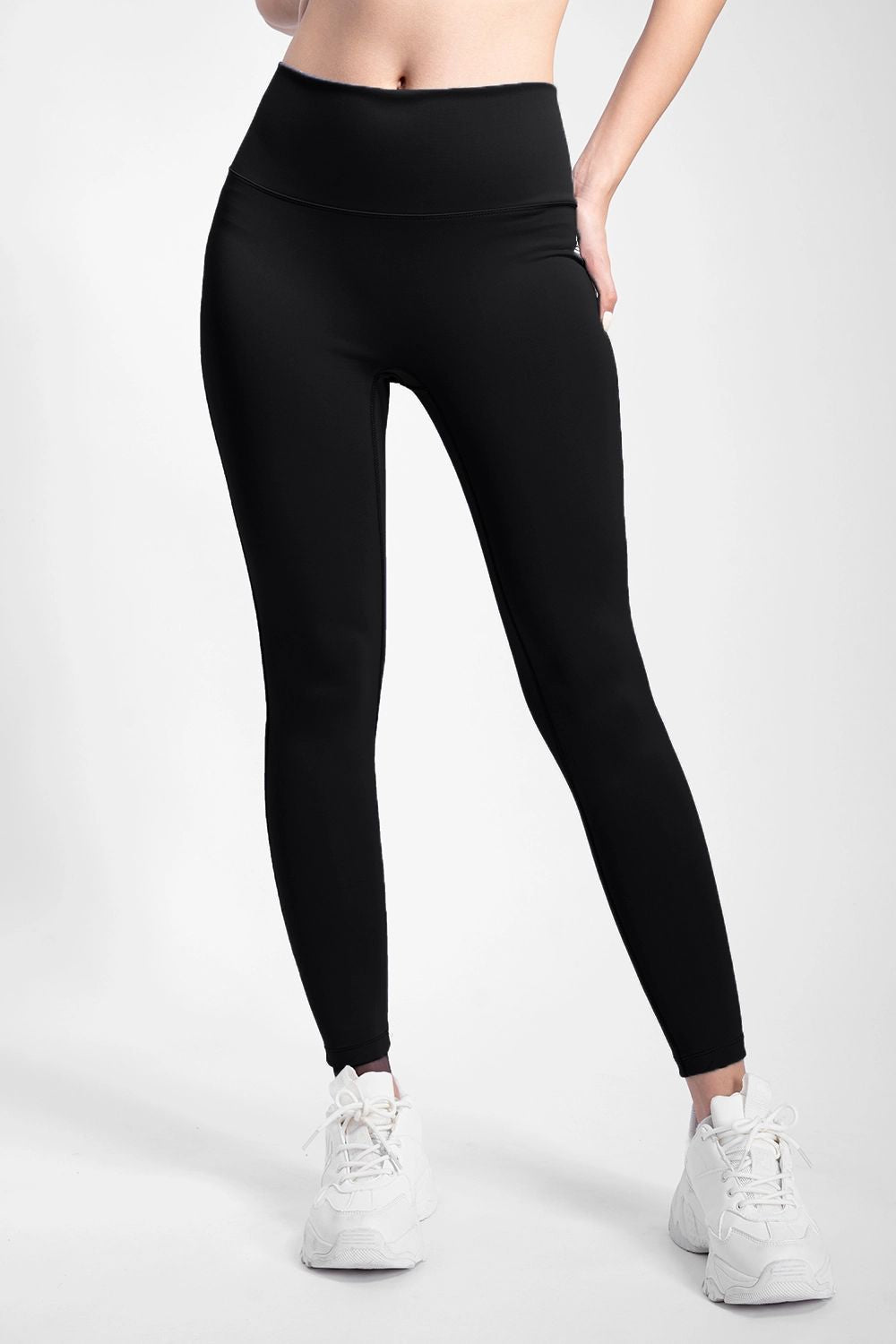
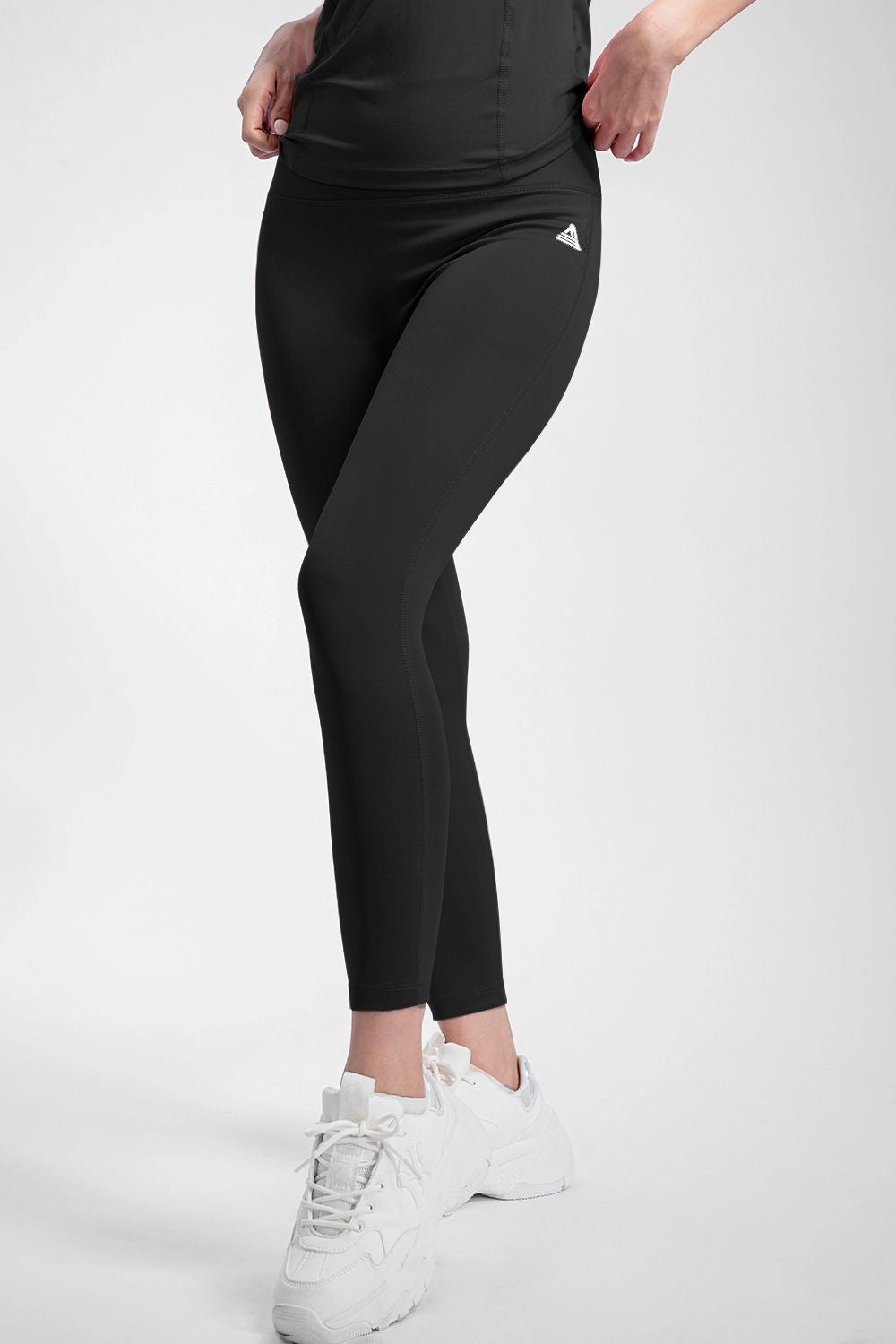
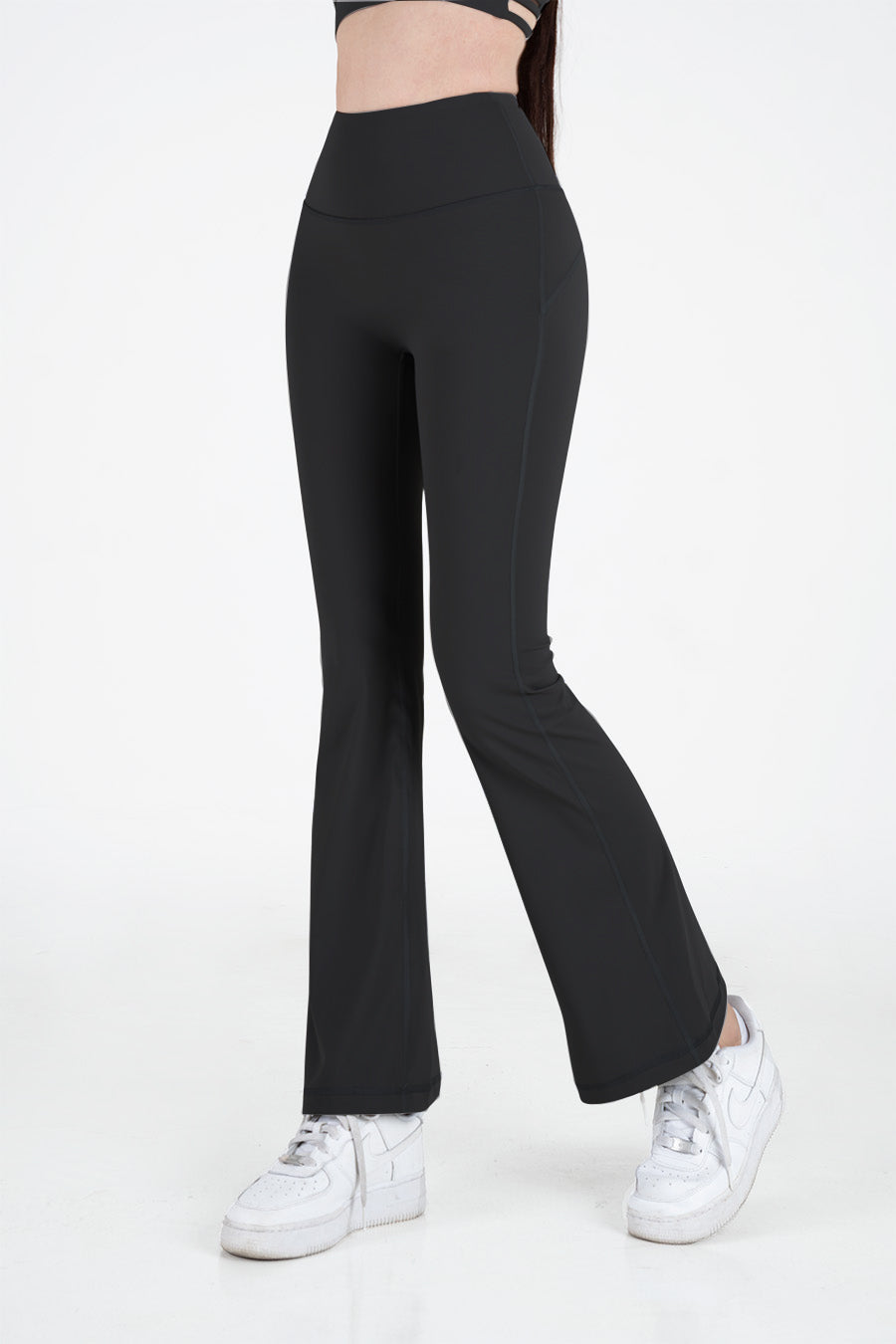
Exercises involving lying on your back or planks put direct pressure on the belly, so low-rise leggings will slip and require constant adjustment. A pair of high-waisted leggings that hug from above the navel keeps the core stable and does not cut across the belly when bending. Combine with a mid-impact sports bra for these routines. See the entire Fitme Women's Gym & Yoga Apparel collection.
Frequently Asked Questions
How long does it take to lose lower belly fat?
If the cause is subcutaneous fat, it takes 8 to 12 weeks to see a clear difference, with a safe weight loss rate of 0.3 to 0.5 kg per week. If it is only bloating/water retention, changes can be seen in 2 to 5 days.
Does doing more abs specifically burn lower belly fat?
No. There is no mechanism for spot reduction. Ab exercises strengthen deep muscle groups and help the belly look flatter in terms of posture, but the fat layer on top only decreases when total body fat decreases.
How do I know if my lower belly is fat or just bloating?
Observe throughout the day. If you wake up with a flat stomach and it becomes distended by evening, it is mostly bloating/water retention. If you can pinch a thick, soft layer that stays almost the same all day, it is subcutaneous fat.
What is anterior pelvic tilt and how do I self-test?
It is a condition where the pelvis tilts forward due to tight hip flexors from sitting, making the lower belly look larger than it is. Self-test by standing with your back against a wall and sliding your hand into the gap behind your lower back; a gap wider than a hand's thickness is a sign to watch for.
How much should I exercise daily to lose belly fat?
About 150 minutes of moderate-intensity cardio per week plus 2 to 3 resistance training sessions, combined with a 300 to 500 kcal deficit per day and 7 to 9 hours of quality sleep. Adding 10 minutes of abs at the end of each session is sufficient.






Leave a comment
This site is protected by hCaptcha and the hCaptcha Privacy Policy and Terms of Service apply.