




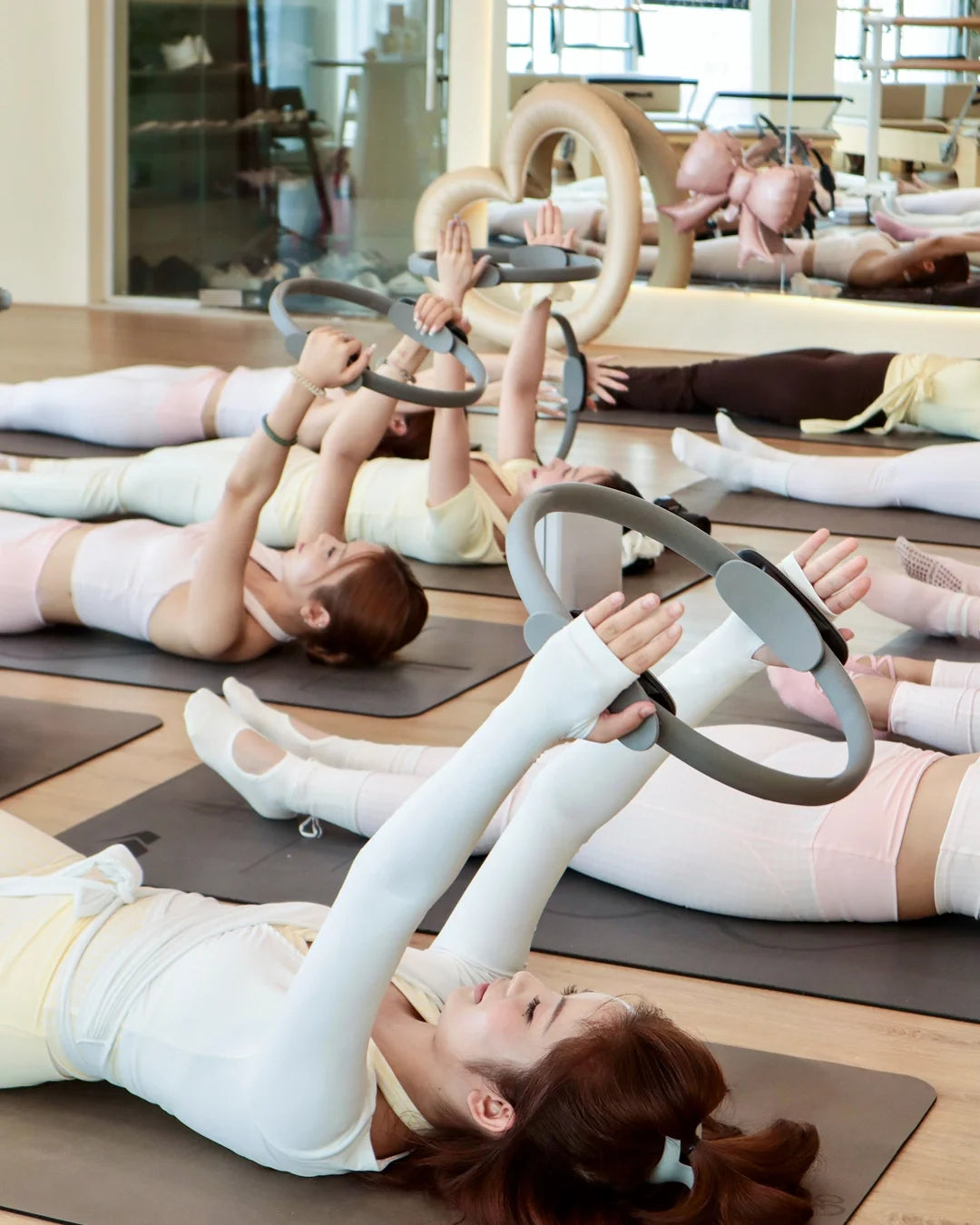
Pilates beginners often notice gradual changes in posture, body control, and flexibility after a few weeks of consistent practice; there is no universal "quick" timeline for everyone. A realistic schedule is 2–3 sessions per week, 20–45 minutes each, combined with proper rest and nutrition. This article helps you know what to expect in the first 4 weeks, rather than just focusing on the scale.

How long does it take to see Pilates results?
For beginners, view the first 4 weeks as a foundation-building period. After 1–2 weeks, many people find themselves more aware of their breathing, posture, and how to keep their body stable. By weeks 3–4, you may find the movements more familiar, your core feeling tighter, and your body less fatigued when sitting or moving during daily activities. Changes in body shape take more time and depend on your training schedule, sleep, nutrition, and personal fitness level.
| Phase | Priorities | Actual signs of progress |
|---|---|---|
| Week 1 | Learn breathing, posture, and rhythm | Knowing how to adjust movements, not overextending |
| Week 2 | Maintain 2–3 sessions, move slowly and precisely | Better core control in basic exercises |
| Week 3 | Increase duration or reps if feeling good | Movements involve less loss of balance |
| Week 4 | Consistency and self-assessment | Possible improvements in posture, endurance, and flexibility |
A 4-week Pilates routine for beginners
Week 1: Getting used to the technique
Choose 2 sessions, 20–30 minutes each. Focus on neutral spine, breathing rhythm, and foundational exercises like pelvic tilts, bridges, toe taps, or dead bug variations. If you are new to Pilates, check out our Pilates guide for beginners.
Week 2: Establishing a steady rhythm
Maintain 2–3 sessions, 25–35 minutes each. The goal is not exhaustion but performing movements with intention. You can add side-lying leg lifts, bird dogs, or knee planks once your back and hips are stable.
Week 3: Trying a longer session
If your body recovers well, add one 30–45 minute session or increase one set of familiar exercises. Do not rush to increase difficulty if you are still holding your breath, feeling sharp pain, or losing control of your posture.
Week 4: Choose a sustainable schedule
This is when you decide on the most suitable schedule: two Pilates sessions and one day of walking/light yoga, or three basic Pilates sessions. Consistency is more important than doing one extremely intense workout and then taking a long break.

Don't judge Pilates by weight alone
Pilates is not a promise of weight loss in just a few sessions. The core value of this discipline is building core strength, movement control, and healthy exercise habits. If your goal is to change your body shape, track how your clothes fit, your posture, endurance, and consistency rather than weighing yourself daily.
What determines the rate of progress?
- Technique: exercising correctly with control is more effective than doing many repetitions quickly.
- Frequency: 2–3 sessions per week is usually a sustainable starting point.
- Recovery: sleep, nutrition, and rest days help the body adapt to exercise.
- Starting point: everyone's physical condition, injury history, and goals are different.
If you have chronic pain, a recent injury, are pregnant, or have health conditions to monitor, please consult a doctor or specialist before changing your exercise program.
What to wear to stay focused?
For Pilates, a fitted, stretchy set of apparel that doesn't shift helps you observe your posture more easily. You can pair the Fitme Muse bra with the Mouse Grey cropped leggings for mat sessions. If you want more specific criteria, read more on the 4 rules for choosing Pilates gear for beginners.
Frequently Asked Questions
Is doing Pilates twice a week effective?
Yes. Twice a week is a reasonable start if you are consistent, practice with care, and increase intensity according to your fitness level.
How long does it take to tone the abdomen with Pilates?
There is no standard timeline for everyone. Pilates supports core strength, while body transformation depends on total physical activity, nutrition, sleep, and consistency.
Should I practice Pilates every day?
Not necessarily. Beginners should allow for recovery time between sessions and choose a schedule that fits their training intensity and personal fitness.
Which is better for quick results, Pilates or yoga?
These two disciplines serve different focuses. Pilates often emphasizes core and movement control; yoga often combines postures, breathing, and flexibility. You can view our comparison of Pilates and yoga to choose based on your current goals.
Conclusion
Instead of asking "how long until I see changes," start with a 4-week schedule you can realistically follow. When you practice with proper technique, increase difficulty moderately, and allow your body time to recover, Pilates becomes a sustainable foundation for movement rather than just a short-term challenge.




Leave a comment
This site is protected by hCaptcha and the hCaptcha Privacy Policy and Terms of Service apply.