




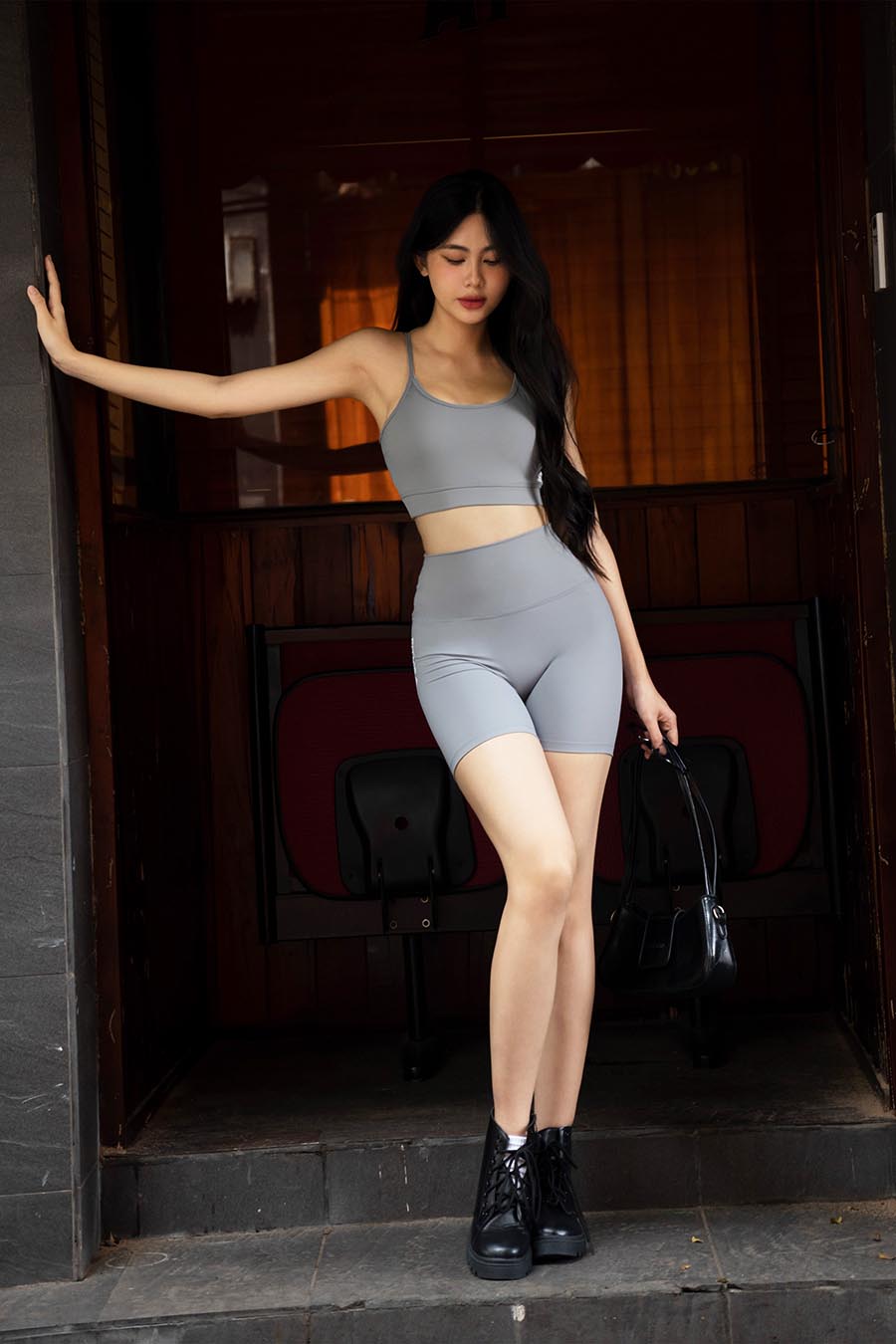
Fabric quality determines the quality of a pair of leggings more than the design itself — it determines whether the leggings are “squat-proof” (not see-through when bending), whether they provide support, and if they remain durable after multiple washes. The short answer: the best workout leggings use high-percentage Spandex blended knit fabric — 75-85% nylon or polyester plus 15-25% spandex, with a fabric density of about 220-280 GSM; avoid 100% cotton. As a factory-to-consumer (F2C) brand that weaves its own fabric, Fitme can disclose the exact GSM and blend ratios for every fabric type — details that brands purchasing finished fabrics often generalize as just "polyester spandex." Below is an analysis of each type.
Why is material more important than design?
A beautiful pair of leggings with thin, poorly elastic fabric will reveal your undergarments the moment you squat, and will lose its shape after just a few weeks. The fabric determines three things that design cannot save: coverage (non-transparent when stretched), elasticity and recovery (tight and supportive, without sagging after washing), and durability (no sagging, pilling, or fading). Choosing the right fabric is the first step, even before discussing color or waistband styles.
One index few people notice but is extremely important is GSM (grams per square meter). Quality workout leggings usually fall between 220-280 GSM; below 180 GSM, the fabric is thin and prone to transparency, while above 300 GSM, it becomes heavy and suffocating. A high GSM combined with a tight weave is what provides true squat-proof capability.
Comparison of 4 popular fibers in leggings
| Fiber type | Elasticity | Absorbency | Durability | Squat-proof | Best suited for |
|---|---|---|---|---|---|
| Spandex (Elastane) | Very high | Low | Average | Due to fit | 15-25% blend in all leggings |
| Nylon (Polyamide) | High (when blended) | Fair | High | Good | Premium buttery lines, soft and smooth |
| Polyester | Average | High (dry-fit) | High | Good | High-intensity workouts, heavy sweating |
| Cotton | Low | High but retains moisture | Low (stretches out) | Poor | Loungewear, light exercise only |
Spandex (Elastane / Lycra) — the soul of elasticity
Spandex fiber can stretch 5-8 times its original length, providing a tight fit and shape recovery. Workout leggings need about 15-25% spandex for support and to ensure they don't sag during squats. Below 10%, the leggings barely provide any fit; above 30%, they become suffocating, hot, and prone to permanent stretching when exposed to heat.

Nylon (Polyamide) — soft, durable, smooth fit
Nylon is as soft and silky as "second skin," durable, resistant to abrasion, and provides a smooth fit against the body. Nylon + spandex blends often create the premium “buttery” lines that legging lovers adore — featuring a soft, cool feel to the touch.
Polyester — absorbent, quick-drying, colorfast
Polyester is excellent at absorbing sweat (dry-fit technology), dries quickly, retains color well, and is reasonably priced. Polyester + spandex blends are perfect for high-intensity, sweaty workouts like HIIT or running.
Cotton — breathable but NOT for workout leggings
Cotton is breathable and soft, but it absorbs water and retains moisture, becomes heavy when wet, and loses shape easily when stretched. It is only suitable for loungewear, not for gym or yoga, as the retained sweat leads to discomfort and odor.
The “golden” blend ratio and weave structure
The ideal formula for workout leggings is 75-85% nylon or polyester + 15-25% spandex, in a high-density knit, often with a second layer of fabric at the gusset and waistband to meet squat-proof standards. On Fitme leggings, both the gusset and waistband are double-layered. Specifically: Fitme’s Buttery™ fabric is 75% micro polyester + 25% spandex, at 250-280 GSM — the spandex ratio is at the upper end of the standard range for strong support, while the micro polyester provides a soft, smooth, and quick-wicking surface. Beyond composition, the knitting style is also important: interlock or double-knit provides higher coverage and durability than cheaper single jersey knits.
Buttery and Essential — which group for leggings, which for tops
In women's activewear, fabrics are usually divided into two tactile groups. Buttery is premium soft, fits like a second skin, is suitable for long wear, and flatters the physique — Fitme’s Buttery™ fabric is woven from 75% micro polyester + 25% spandex at 250-280 GSM, placing it in the thickest category of workout leggings. Essential is thinner and lighter, so Fitme does not use this for leggings — it is mainly for tops (bras, tank tops, t-shirts). This is a point you should know to avoid wrong expectations: fabric used for tops cannot handle the squat-proof requirements of pants.

How to check for good leggings (doable right upon receipt)
- Stretch test: pull the fabric firmly in the glute area and hold it against a light source — if no light shines through, it passes.
- Recovery test: stretch and release — the fabric should snap back immediately without sagging or retaining creases.
- Touch test: smooth and thick, not paper-thin or rough.
- Check composition: prioritize 15-25% spandex, look for GSM specifications, and avoid 100% cotton.
Keeping fabric durable
No matter how good the fabric is, it will be ruined if washed incorrectly. Hand wash or use a laundry bag with cold water, do not use fabric softener (as it clogs the pores), do not tumble dry with heat, and hang to dry in a cool, ventilated place to preserve the elasticity of the spandex. See details in the article How to wash activewear correctly.

Fitme’s F2C advantage
Because Fitme weaves its own fabric (F2C model), the brand controls the GSM, fiber blend ratio, and elasticity right from the weaving stage — without depending on third-party fabric like most retail shops. That is why Fitme leggings are both squat-proof and buttery soft, with consistent quality across batches.
Explore Fitme Women's Leggings woven from specialized fabric, and learn about Fitme fabric technology. Read more: What is Squat-Proof? and How to choose your leggings size.
Frequently Asked Questions
Which legging fabric is best for the gym?
High-percentage spandex blended knit fabric (75-85% nylon or polyester plus 15-25% spandex), with a density of about 220-280 GSM for squat-proof, 4-way stretch, and good recovery; avoid 100% cotton.
Are cotton leggings good?
Cotton is breathable and soft but absorbs and retains moisture, becomes heavy when wet, and stretches out easily, so it is only suitable for home wear and not for high-intensity training.
What percentage of spandex do leggings need?
About 15-25% spandex is ideal — enough to provide support and squat-proof protection; below 10% it lacks fit, above 30% it feels stuffy and is prone to stretching when exposed to heat.
What should the GSM of workout leggings be?
About 220-280 GSM is appropriate for workout leggings; below 180 GSM is prone to being thin and transparent, while above 300 GSM is heavy and suffocating.
What is the difference between Buttery and Essential, and which is for leggings?
Buttery is premium soft, fitting like a second skin — Fitme’s Buttery™ fabric is woven from 75% micro polyester and 25% spandex, with a density of 250-280 GSM; Essential is thinner and not for leggings — this line is mainly for tops like bras, tank tops, and workout t-shirts.


Leave a comment
This site is protected by hCaptcha and the hCaptcha Privacy Policy and Terms of Service apply.